

Menu
If you’re searching this question at 2 a.m. because your adult child hasn’t answered the phone in three days, or because a judge just handed you paperwork about a DUI program, or because you’re a social worker trying to place a client before their court date, you don’t need a textbook definition. You need a straight answer about what these programs actually involve and how to figure out which one fits. Here’s what the research and the standards used across the addiction treatment field actually say.
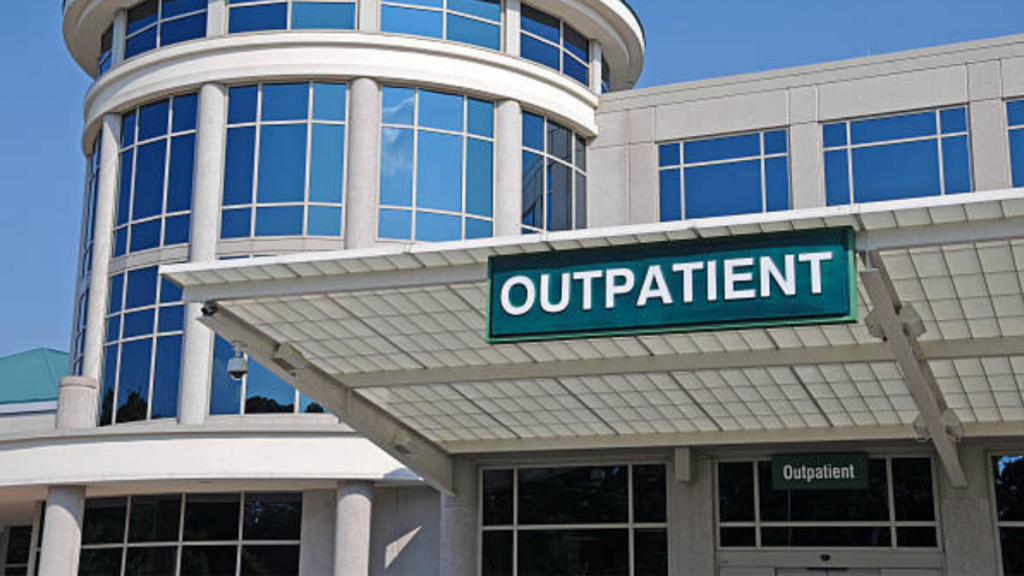
Intensive Outpatient Programs, usually shortened to IOP, are a structured but non-residential level of care. According to the American Society of Addiction Medicine (ASAM) criteria, the framework most licensed providers and insurers use to determine the right level of care, IOP treatment typically involves counseling, education, peer and staff support, and expanding their sense of community, for a designated number of hours a day, and days a week, all while the person continues living at home. IOP sits in the middle of the treatment continuum: more structure than the other option of weekly outpatient evening groups, but less restrictive than moving into a facility full-time.
This matters for a lot of people in the Bay Area juggling jobs, parenting, school, or court obligations. Someone in Concord managing a warehouse job, a parent in Walnut Creek picking up kids from school, or a person in Pittsburg trying to complete college courses, can often continue IOP treatment, or standard outpatient treatment, while maintaining these responsibilities, attending sessions in the mornings, evenings, or around a work schedule.
Federal research backs up IOP’s effectiveness for the right candidates. A clinical guide published by the Substance Abuse and Mental Health Services Administration (SAMHSA) notes that when clients are appropriately placed in IOP, treatment outcomes are comparable to inpatient treatment, but at roughly half the cost. The key phrase there is “appropriately placed”…..IOP isn’t a lesser option, but it isn’t the right fit for everyone either.
Residential treatment sits higher on the same continuum. These levels involve living at a facility full-time, with 24-hour structure, supervision, and support. This is generally recommended when someone’s safety, medical stability, home environment, or the level of substance use, makes staying at home too risky during early recovery, for example, if withdrawal could be medically dangerous, if there’s no stable or substance-free place to live, or if previous attempts at outpatient care haven’t held.

For someone whose home environment includes an actively using partner, other triggers to use or drink, or someone whose withdrawal risk requires medical monitoring, residential treatment provides a higher level of containment and clinical oversight that outpatient settings simply can’t replicate. It’s a much more intensive option, and for some people, that disruption is exactly what makes early recovery possible.
There’s no single right answer, because “which level of care” depends heavily on who’s asking:
One of the biggest barriers to getting the right level of care isn’t logistics, it’s shame. Many people wait far longer than they should to ask these questions because addiction is still widely misunderstood as a moral failing rather than what medical and public health authorities recognize it as: a treatable, chronic health condition. The National Institute on Drug Abuse (NIDA), the leading federal research agency on this topic, explains that addiction treatment works much like treatment for other chronic diseases such as Diabetes or asthma, it isn’t a cure, but a way of managing and counteracting the condition’s effects so people can regain control of their lives.

Asking “which level of care do I need” is a clinical question, the same as asking what type of care is right for diabetes or a heart condition. Framing it that way, for yourself, or for someone you love, can make the first call significantly easier to make.
No single organization is the right fit for everyone, and getting connected to the right level of care sometimes starts with a broader community resource rather than a specific facility. Contra Costa County residents can call the county’s 24-hour Behavioral Health Access Line at 1-888-678-7277 for screening and referrals to mental health and substance use services across the county, including outpatient, residential, and medication-assisted treatment options, and withdrawal management. Alternatively, clients can always contact programs directly with more information available on the Bi-Bett website. For anyone in crisis right now, the Contra Costa Crisis Center, an independently accredited nonprofit, offers free 24/7 crisis counseling and community referrals by calling or texting 211, calling 1-800-833-2900, or texting HOPE to 20121. Nationally, SAMHSA’s National Helpline, 1-800-662-HELP (4357), offers free, confidential treatment referrals in English and Spanish, for anyone unsure where to start, regardless of insurance status.
Whether you’re weighing this decision for yourself, a family member, or a client, the right level of care depends on safety, home environment, medical and clinical needs, factors to consider such as work, or school, and how much structure someone genuinely needs to stay safe while recovery takes hold. Bi-Bett has been serving the San Francisco Bay Area since 1969, offering residential treatment, detoxification, outpatient IOP, medication-assisted treatment, DUI programs, and perinatal residential care across locations in Concord, Walnut Creek, Pittsburg, and throughout Contra Costa County, as a licensed, Medi-Cal certified nonprofit provider working across this full continuum of care. But whether it’s Bi-Bett, another licensed local provider, or the county’s own Behavioral Health Access Line that ends up being the right door to walk through, the most important step is simply reaching out and asking the question. No one has to figure out the right level of care alone.